




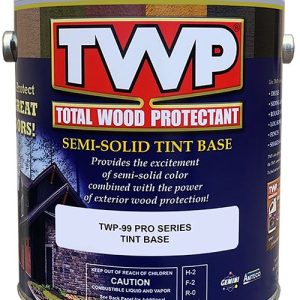
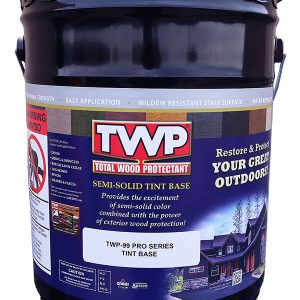
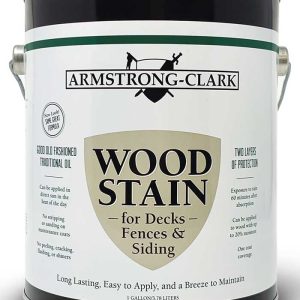
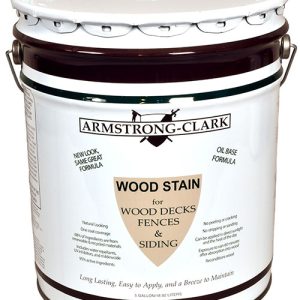
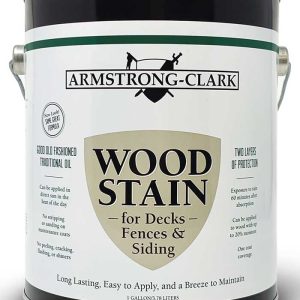
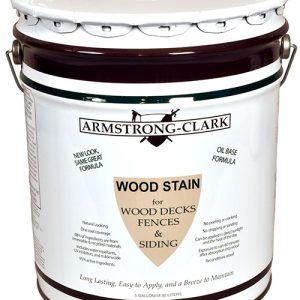
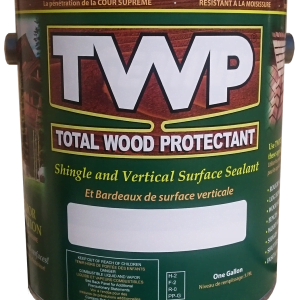
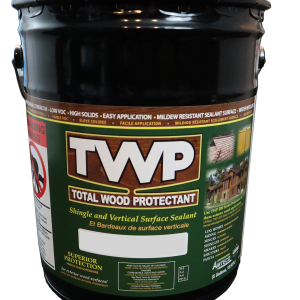
Hi, I’m Scott Paul, a licensed exterior restoration contractor with over 30 years of experience and 10,000+ deck restorations. This buying guide to deck stain and wood stain and sealer products is based on my own hands-on field testing, not manufacturer claims.
Professional wood and deck stains for all types of exterior wood. These products have been proven through the years to be of the highest quality — we only carry products that work! Whether you need to stain and seal a deck, fence, log home, or hardwood decking, this page covers everything we carry, from oil-based penetrating stains to water-based hybrids.
Quick Answer: Choosing a Deck Stain
- Oil-based stains (TWP, Armstrong Clark, Messmers) penetrate deeper and generally hold up longest on horizontal deck surfaces
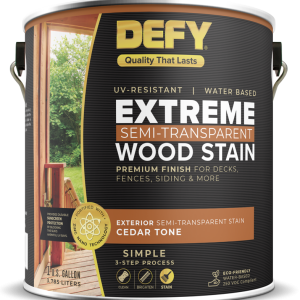
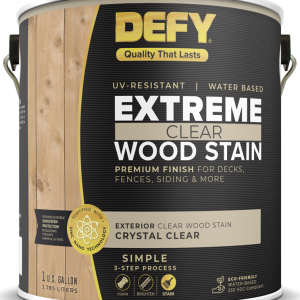
- Water-based hybrids (Defy Extreme) offer easier cleanup and lower VOCs, with solid performance on most softwoods
- New wood needs to weather before staining — how long depends on the brand and wood type
- Hardwoods like IPE need a stain formulated specifically for dense wood (Messmers UV Plus Hardwoods, Armstrong Clark Hardwood/IPE)
How to Choose the Right Deck Stain and Sealer
Picking the right product to stain and seal your deck comes down to a few key factors: your wood type, how much color change you want, and whether you prefer oil-based or water-based formulas.
Wood Type
Standard pressure-treated pine, cedar, and redwood work well with most of the stains on this page. Dense exotic hardwoods like IPE and Mahogany need a stain specifically formulated to penetrate tighter wood grain — look at Messmers UV Plus Hardwoods or the Armstrong Clark Hardwood/IPE formula rather than a standard deck stain.
Oil-Based vs. Water-Based
Oil-based stains, like TWP and Armstrong Clark, penetrate deeply into the wood fibers and tend to offer strong long-term protection and color retention. Water-based formulas, like Defy Extreme, clean up with soap and water, have lower VOCs, and are easier to apply for many DIYers, though they typically don’t penetrate quite as deeply as an oil-based stain.
Transparency Level
Transparent and semi-transparent stains let the wood grain show through and need more frequent reapplication. Semi-solid stains (like TWP Semi-Solid) offer more color coverage while still allowing some wood texture to show, and hold up longer between coats.
New Wood vs. Weathered Wood
New wood typically needs to weather for a period before it will properly absorb stain — this ranges from a few weeks to several months depending on the brand and wood type. Weathered or previously stained wood usually just needs proper cleaning and brightening before you stain and seal it again.
For independent, tested reviews of every major deck stain brand, see the full comparison at DeckStainHelp
Comparing Our Deck Stain Brands
| Brand | Type | Best For | Coverage/Gallon | Starting Price |
|---|---|---|---|---|
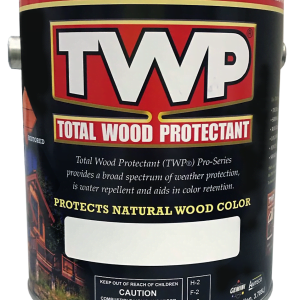
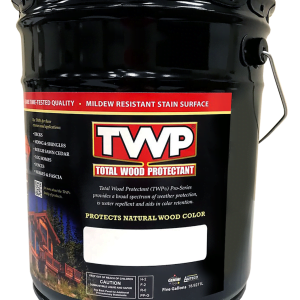
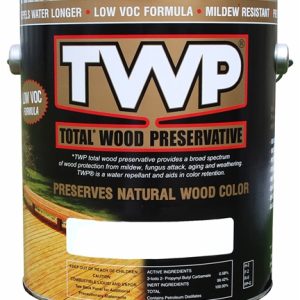
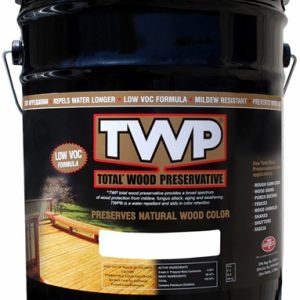
| TWP | Oil-based, penetrating | Decks, fences, log homes | 150–250 sq ft | $62.99/gal |
| Armstrong Clark | Oil-based, penetrating | Decks, fences, hardwoods/IPE | 150–200 sq ft (300+ on hardwood) | $72.95/gal |
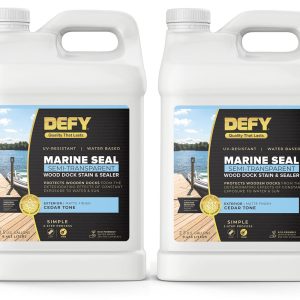
| Defy Extreme | Water-based hybrid | Decks, fences, easier cleanup | ~150 sq ft (2 coats) | $59.99/gal |
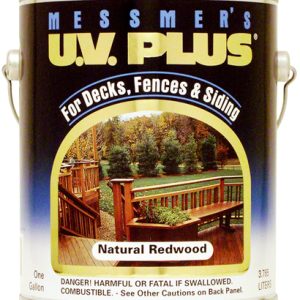
| Messmers | Oil-based, penetrating | Hardwoods/IPE, log homes | 300+ sq ft (hardwood formula) | $47.99/gal |
Deck Stain FAQ
What’s the difference between deck stain and a deck sealer?
A deck sealer is typically clear and focused purely on water repellency, while a deck stain and sealer combination adds color while also protecting the wood from moisture, UV rays, and mildew. Most of the products on this page are stain-and-sealer combinations, giving you both color and protection in one product.
How do I stain and seal a deck properly?
Clean the deck to remove dirt, mildew, and old finish residue, then let it dry fully (typically 24–48 hours). Apply an even coat of stain with a brush, roller, or sprayer, back-brushing into the grain, and avoid staining in direct sun or if rain is expected within 24 hours.
Should I choose an oil-based or water-based wood stain and sealer?
Oil-based stains like TWP and Armstrong Clark penetrate deeper and often hold up longer, especially on horizontal deck surfaces. Water-based options like Defy Extreme are easier to clean up and lower in VOCs, making them a good choice if application ease and eco-friendliness matter more to you than maximum penetration.
How much deck stain do I need?
Coverage varies by brand and wood porosity, generally ranging from 150 to 250 square feet per gallon for most stains, though hardwood-specific formulas can cover 300+ square feet per gallon since dense wood absorbs less product. Measure your deck’s square footage and check the specific product’s coverage rate before ordering.
Can I use a regular deck stain on hardwood or IPE decking?
Standard deck stains often struggle to penetrate dense hardwoods like IPE. Look for a stain specifically formulated for hardwoods, such as Messmers UV Plus Hardwoods or the Armstrong Clark Hardwood/IPE formula, for better absorption and results.
How long do I need to wait before staining a new deck?
Most new wood needs to weather before it will properly absorb stain, ranging from a few weeks for rough-sawn or kiln-dried wood to several months for pressure-treated pine. Check the specific brand’s recommended weathering period, since this varies by product.