




Wood Fence Staining: Help and Tips
Hi, I’m Scott Paul, a licensed exterior restoration contractor with over 30 years of experience and 10,000+ deck and fence restorations. This guide to wood fence stains is based on my own hands-on field experience, not manufacturer claims.
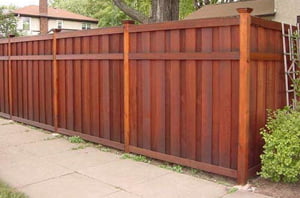
Wood fences can certainly add appeal and value to your property. Wooden fences have long been used for marking boundaries, adding curb appeal, and providing privacy. To ensure a wood fence lasts a long time, it’s important to shield it from the elements.
- Semi-transparent penetrating stains are the best choice for wood fences — they fade instead of peeling, and are much easier to maintain
- Film-forming stains sit on top of the wood and will crack, peel, and flake when they fail, requiring a full strip before recoating
- Vertical surfaces like fences wear slower than a deck floor, but still need periodic maintenance to look their best
- When a penetrating stain starts to fade, a simple wash and recoat restores the look — no stripping required
Table of Contents
- Why Stain a Wood Fence?
- Choosing the Right Wood Fence Stain
- Penetrating vs. Film-Forming Fence Stains
- Maintaining a Penetrating Wood Fence Stain
- FAQ
Why Stain a Wood Fence?
Vertical surfaces like wood fences are less prone to water damage and sun fading than a horizontal surface like a deck floor, but over time they too will begin to wear and eventually fail. Wood fence stains will not only lock out moisture and block out harmful UV rays, but will enhance and add beauty to the fence as well.
Choosing the Right Wood Fence Stain
Whether you want a natural wood look or a particular color for your wood fence, there are plenty of fence stains on the market to meet your needs. One particular factor in choosing a wood fence stain is future maintenance. All wood fencing stains will fail in time and will need attention, so it’s best to choose a stain for fence structures that’s easier to maintain.
For wood fences, we like semi-transparent penetrating wood stains that don’t darken and will fade rather than peel or flake once they fail. A penetrating wood fence stain is much easier to maintain compared to film-forming or heavy-pigmented wood stains.
Besides easy maintenance, we also like the semi-transparent look of penetrating fence stains because they allow the wood grain to show through, enhancing the wood’s natural beauty. These wood fence sealers and stains come in a wide array of colors and tints that provide adequate protection from the elements while adding a level of beauty to a wood fence that’s hard to beat.
For independent, tested reviews of every major wood fence stain brand, see the full comparison at DeckStainHelp
Penetrating vs. Film-Forming Fence Stains
| Feature | Penetrating Stain | Film-Forming Stain |
|---|---|---|
| How It Wears | Fades evenly over time | Cracks, peels, and flakes |
| Maintenance | Wash and recoat — no stripping needed | Must fully strip failing stain before recoating |
| Appearance | Wood grain remains visible | Sits on top, can mask wood grain |
| Long-Term Ease | Easier to maintain over the life of the fence | More labor-intensive once it starts failing |
Film-forming wood fence stains sit on top of the wood surface and don’t penetrate as well. When these stains begin to fail, they crack, peel, and flake off. You can’t simply wash and recoat in this situation, because the older bottom coat will continue to peel and flake, and the new stain will fall off with it. For maintenance, you have to completely remove the old failing stain with a wood stain stripper before recoating.
Maintaining a Penetrating Wood Fence Stain
Once a semi-transparent penetrating wood fence stain begins to fail or fade, the wood can simply be washed using a wood cleaner, and a recoat of stain can be applied. Regular maintenance like this keeps the wooden fence looking good year-round and helps ensure it lasts for many years.
Wood Fence Stain FAQ
What’s the best type of stain for a wood fence?
A semi-transparent penetrating stain is the best choice for most wood fences. It penetrates into the wood rather than forming a surface film, which means it fades evenly instead of peeling or flaking when it eventually wears down, and it’s much easier to maintain over the life of the fence.
How often does a wood fence need to be restained?
This depends on the stain type and sun exposure, but penetrating stains on fences typically need a maintenance coat every few years. Because fences are vertical surfaces, they generally wear slower than a horizontal deck floor, so you’ll get more time between recoats than you would on a deck.
Can I wash and recoat a fence instead of stripping it?
Yes, if you used a penetrating stain. Once it starts to fade, a good wash with a wood cleaner and a fresh coat of stain restores the look without any stripping required. This is not possible with a film-forming stain, which needs to be fully stripped before recoating once it begins to peel or crack.
Why do film-forming stains peel on fences?
Film-forming stains sit on top of the wood rather than soaking in, so as the coating ages and the wood naturally expands and contracts, the film loses adhesion and separates from the surface. Once that starts, recoating over it just traps the problem underneath, so full removal is the only real fix.
Will a penetrating fence stain hide the wood grain?
No, and that’s part of the appeal. Semi-transparent penetrating stains let the natural wood grain show through while still adding color and protection, which is different from a solid or heavily pigmented stain that fully masks the wood’s texture.
Do fence stains come in different colors?
Yes. Semi-transparent penetrating wood fence stains come in a wide range of colors and tints, from natural and clear tones to deeper browns and reds, so you can match your fence to your home’s exterior while still preserving the wood grain.
Please ask any questions as to what stain would work for your fence and wood type.






























The nano particles do give UV protection but not as much as the Defy Extreme in one of tinted colors. The wood should weather before applying the Defy Extreme for a few months.
Was considering the TWP 1500, just wasn’t too keen on the idea of letting it gray for 4 months before applying.
Would the “Nano Particles” in the Defy Extreme clear, serve as the tint, semi transparency or SPF sun block?
Not sure if it requires the same penetration of the 1500 product.
Must have color or a tint in the stain to protect from Uv graying. For LA area, look at the TWP 1500 or the Armstrong Clark.
Looking for a sealer to preserve a newly built cedar fence in Los Angeles.
Faces North/South with the southside bearing the brunt of any tan inducing summer UV’s, and westernmost sunsets.
If you strip off the old stain and brighten the wood you could get it close but it is impossible to match old wood to new wood.
I installed a cedar fence on the south side of my property in Mpls, MN 17 years ago and stained it with stain I bought at a big box store. I don’t remember the brand. I installed a cedar deck last fall and I’m going to wash, brighten and stain it with Armstrong’s semi-transparent Amber stain. Is it possible to get my old fence to match my new deck? If so, what products should I use?